Wolverine 20mg BPC-157 10mg + TB-500 10mg Research Blend Australia
Wolverine 20mg is the higher-quantity Australian Peptide Wolverine research presentation, containing BPC-157 10mg and TB-500 10mg in one vial for 20mg total nominal peptide content.
The formulation uses the same nominal 1:1 component ratio as the 10mg Wolverine blend, but doubles the labelled quantity of each component. Maintaining a separate 20mg product record allows the vial strength, SKU, batch identifier and applicable analytical documentation to be clearly distinguished from the 5mg + 5mg presentation.
Looking to buy BPC-157 10mg + TB-500 10mg in Australia for laboratory research? This premixed 20mg research blend is supplied from Australia strictly for lawful laboratory, analytical and in-vitro investigation. It is not intended for human, veterinary, therapeutic, cosmetic or personal use.
Key Features
- BPC-157 10mg + TB-500 10mg
- 20mg total nominal peptide content
- Fixed 1:1 blend by labelled mass
- Single premixed lyophilised vial
- Separate 20mg product and batch record
- Batch-specific Janoshik COA required before sale
- Australian dispatch
Product Specifications
Product Name: Wolverine 20mg Research Peptide Blend
BPC-157: 10mg nominal content
TB-500: 10mg nominal content
Total Nominal Content: 20mg
Nominal Ratio: 1:1
Format: Single premixed vial
Physical Form: Lyophilised powder
Research Category: Dual-peptide research blend
Country of Dispatch: Australia
Understanding the 20mg Presentation
The 20mg designation is a statement of nominal mass. It does not mean the blend is a new chemical entity, and it does not by itself establish purity, solution concentration or biological activity. The blend remains a mixture of two chemically distinct research materials: BPC-157 and TB-500.
For laboratories comparing strengths, the relevant distinction is straightforward: Wolverine 10mg = 5mg + 5mg, while Wolverine 20mg = 10mg + 10mg. The ratio remains 1:1.
For additional background on vial mass and laboratory concentration terminology, see What Does mg Mean on a Peptide Vial? and our Peptide Concentration Guide.
BPC-157 Evidence Context
BPC-157 is a synthetic 15-amino-acid peptide studied mainly in preclinical laboratory and animal models. Research has examined signalling pathways associated with nitric oxide, angiogenesis and connective-tissue biology, but the evidence base remains predominantly preclinical.
A recent 2026 scientific review highlighted the translational gap: there is no approved BPC-157 formulation, no validated dosing regimen and no completed Phase II clinical trial. This product page therefore describes the research literature without presenting experimental findings as established human outcomes.
See Understanding BPC-157 in Modern Biochemistry Literature.
TB-500 Identity and Analytical Context
TB-500 is a research-market term associated with thymosin beta-4-related peptide material. Full-length thymosin beta-4 is an actin-binding peptide studied in cytoskeletal organisation, cellular migration and angiogenesis. Marketplace naming can vary, however, and exact molecular identity should not be inferred from the TB-500 label alone.
Australian Peptide treats that identity question as an analytical issue: the material should be matched to the batch-specific report for the vial actually supplied. This is especially important in a blend, where each component needs meaningful identification rather than being hidden behind one generic purity claim.
See Understanding TB-500 in Modern Biochemistry Literature.
Blend Evidence Boundary
The Wolverine formulation is a research blend, not a single compound with one molecular formula or one established clinical evidence base. Studies on either component individually cannot automatically be treated as evidence for the exact 10mg + 10mg co-formulated material.
Likewise, research involving two separately prepared vials is not analytically identical to research using a premixed, co-lyophilised formulation. Experimental design, sample identity and analytical verification remain important.
Certificate of Analysis and Batch Verification
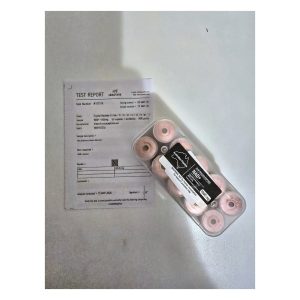
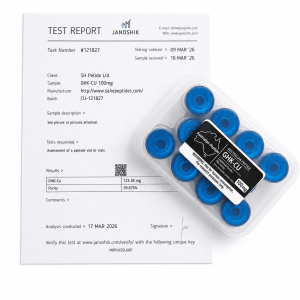
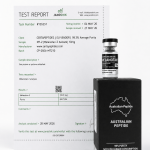
Australian Peptide requires a batch-specific Janoshik Certificate of Analysis for the active sale batch. The physical vial, label and batch identifier should match the analytical record used for laboratory documentation.
For a multi-component blend, a generic BPC-157 certificate or a generic TB-500 certificate is not sufficient evidence for the exact product record. The relevant documentation should relate to the actual blend or otherwise provide meaningful component-level verification for the saleable batch.
Current documentation can be reviewed through the COA Library. See also Quality Assurance, Certificate of Analysis Explained and Research Peptide Quality Standards.
Compare Wolverine Strengths
For the lower-quantity presentation, see the Wolverine 10mg Research Blend, containing BPC-157 5mg + TB-500 5mg. Researchers who need independent control of the component ratio can instead review BPC-157 10mg and TB-500 10mg as separate materials.
Frequently Asked Questions
What is in Wolverine 20mg?
One vial contains 10mg nominal BPC-157 and 10mg nominal TB-500, for 20mg total labelled content.
Is Wolverine 20mg the same formulation as Wolverine 10mg?
The nominal component ratio is the same 1:1 ratio. The 20mg presentation contains twice the labelled quantity of each component.
Is this one premixed vial?
Yes. This product record is for one premixed BPC-157 + TB-500 research vial, not a two-vial kit.
Why is batch-specific testing especially important for a blend?
A blend contains more than one analytical target. Documentation needs to support the identity and composition of the material actually supplied rather than rely on a certificate from another compound, batch or strength.
Where can laboratories buy Wolverine 20mg in Australia?
Australian Peptide supplies this 10mg + 10mg research blend online in Australia for lawful laboratory and analytical research, subject to the active batch having matching documentation.
Is this product intended for human use?
No. It is supplied strictly for laboratory, analytical and in-vitro research, with no dosing, administration or therapeutic guidance provided.
Australian Peptide Research Standards
Australian Peptide supplies research materials with an emphasis on clear product identification, batch traceability and accessible analytical documentation. Active peptide batches are required to have batch-specific documentation that matches the material being supplied.
- Australian dispatch
- Batch-specific analytical documentation
- Janoshik Certificate of Analysis required for the active sale batch
- COA Library access and batch traceability
- Research-focused product information
- Price Match Guarantee for eligible comparable Australian listings
Current retail promotions, multi-vial savings, complimentary-vial eligibility and shipping offers are applied according to the terms displayed on the website and at checkout.